
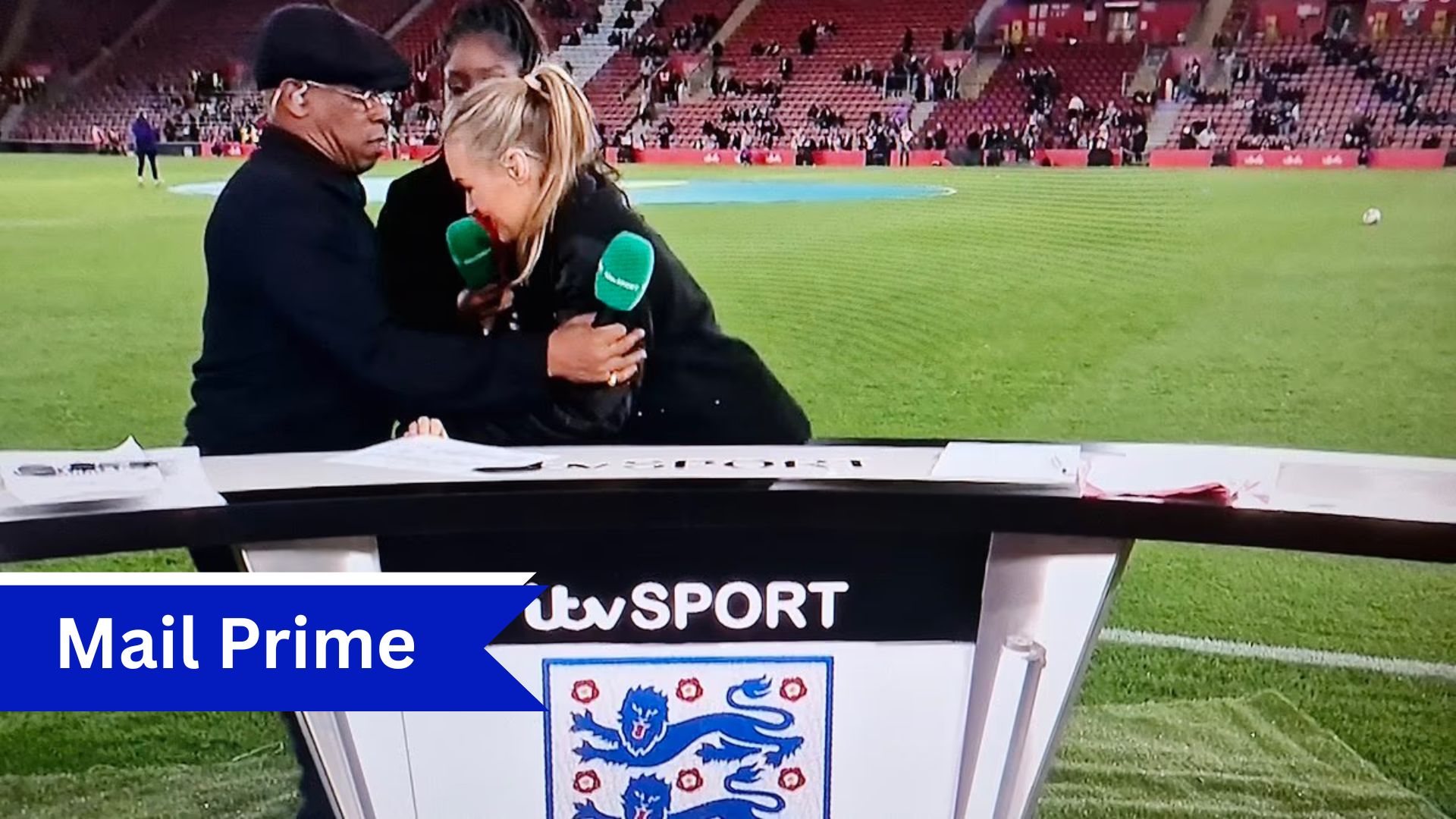
Live television is unpredictable. But few expected the now widely searched moment described as the “laura woods collapse” to unfold in real time during a major football broadcast.
Viewers watched in shock as respected sports presenter Laura Woods suddenly stumbled while hosting live coverage. Within seconds, colleagues stepped in. Cameras cut away. Social media erupted.
So what actually happened? Here’s a clear, engaging breakdown of the incident, the facts behind it, and the bigger picture.
The On-Air Incident: A Timeline
The Laura Woods collapse occurred during live football coverage ahead of a high-profile international match. Woods was pitchside, mid-discussion, when she visibly lost balance.
What followed happened quickly:
• She stumbled forward unexpectedly
• Colleagues moved immediately to support her
• The broadcast cut to a break within seconds
• Medical staff on-site attended to her
Former footballer and pundit Ian Wright and analyst Anita Asante were among those who reacted instantly, ensuring she did not fall heavily.
When the programme returned, another presenter had stepped in while Woods received medical attention.
For viewers at home, the moment was alarming. For production teams, it was a textbook example of rapid response under pressure.
What Caused the Laura Woods Collapse?
Shortly after the incident, Laura Woods reassured followers that she was recovering well.
According to her update, paramedics believed the episode was likely caused by a virus, combined with fatigue. She emphasised that she was okay and thanked those who helped her during the broadcast.
While speculation often runs wild in situations like this, there was no suggestion of a serious or long-term medical condition.
In high-pressure live environments, several factors can contribute to sudden fainting episodes:
- Dehydration
- Viral illness
- Low blood pressure
- Exhaustion
- Stress combined with physical strain
Importantly, fainting — while frightening to witness — is often precautionary rather than catastrophic.
Why the Moment Spread So Quickly
The phrase “laura woods collapse” began trending within minutes. In today’s digital ecosystem, live television moments are clipped, shared and analysed almost instantly.
But this wasn’t just about shock value.
Laura Woods is not a fringe broadcaster. She’s one of the most recognisable and respected figures in sports media.
Her career spans major networks including:
• Sky Sports
• ITV
• TNT Sports
She has fronted Premier League coverage, major international tournaments, boxing events and flagship football programming.
For regular viewers, she’s a trusted presence. Seeing her suddenly collapse created an emotional reaction beyond typical broadcast mishaps.
The Reality of Live Sports Broadcasting
To understand the Laura Woods collapse fully, it helps to understand the job.
Live sports presenting demands:
• Long, irregular working hours
• Outdoor broadcasting in unpredictable weather
• Tight turnaround between events
• Continuous on-camera focus
• High-pressure production environments
Unlike studio-recorded shows, there are no second takes. Presenters must think, react and perform instantly.
Add travel schedules, time zone shifts and physical fatigue, and it becomes clear how even experienced professionals can be vulnerable to brief health setbacks.
Personal Life and Public Attention
Another reason the Laura Woods collapse drew attention is her growing public profile beyond broadcasting.
In 2025, she welcomed her first child and is engaged to reality TV personality Adam Collard.
Balancing early motherhood with a high-intensity career can be demanding for anyone — even more so under public scrutiny.
While there’s no confirmed link between her personal life and the incident, the broader conversation around work-life balance resurfaced following the event.
How Her Colleagues Responded
One of the most reassuring elements of the incident was the professionalism shown on set.
Ian Wright and Anita Asante acted instinctively. The production team immediately cut to break. The transition back to coverage was calm and measured.
It demonstrated:
• Strong safety protocols
• Team awareness
• On-site medical preparedness
• Broadcast resilience
Moments like this highlight the invisible work happening behind every live programme.
The Bigger Conversation: Presenter Wellbeing
The Laura Woods collapse also sparked a wider discussion about health in broadcasting.
In recent years, more media professionals have spoken openly about:
• Burnout
• Mental health pressures
• Physical strain of live events
• The expectation to “push through” illness
While Woods did not suggest burnout was the cause, the incident reminded audiences that on-screen figures are not immune to everyday health challenges.
There’s increasing awareness that high-performance careers require proper rest, hydration and recovery — especially in industries where energy and presence are essential.
Did the Collapse Affect Her Career?
There’s no indication the incident has had any negative impact on Laura Woods’ career trajectory.
If anything, the widespread support reinforced her standing in the industry. Viewers responded not with criticism, but concern and well-wishes.
Broadcasters frequently experience minor health interruptions. What matters is transparency, recovery and return — all of which Woods handled with composure.
Her swift reassurance helped calm speculation and allowed the focus to return to sport.
FAQs About the Laura Woods Collapse
What happened during the Laura Woods collapse?
Laura Woods briefly fainted during a live football broadcast. Colleagues supported her immediately, and the programme cut to a break while medical staff attended to her.
What caused Laura Woods to collapse?
She later shared that paramedics believed a virus, possibly combined with fatigue, was the likely cause. She confirmed she was okay.
Was Laura Woods seriously injured?
No. She was caught before falling fully and received prompt medical care. There were no reports of serious injury.
Did she return to work after the collapse?
Yes. Updates indicated she was recovering well and expected to resume professional commitments after rest.
Is fainting on live TV common?
It’s rare but not unheard of. Live broadcasting environments can involve long hours, outdoor exposure and physical strain, which may increase risk if someone is unwell.
A Reminder That Live TV Is Human
The Laura Woods collapse was a brief but powerful reminder that even the most polished broadcasters are human.
Behind every seamless sports broadcast is a team navigating unpredictable conditions in real time. Sometimes that unpredictability affects the people delivering the show.
What stood out most was not the stumble itself — but the calm professionalism that followed.
Laura Woods handled the aftermath with honesty. Her colleagues responded instantly. The broadcast adapted smoothly.
And viewers were reminded that resilience, not perfection, defines live television.