
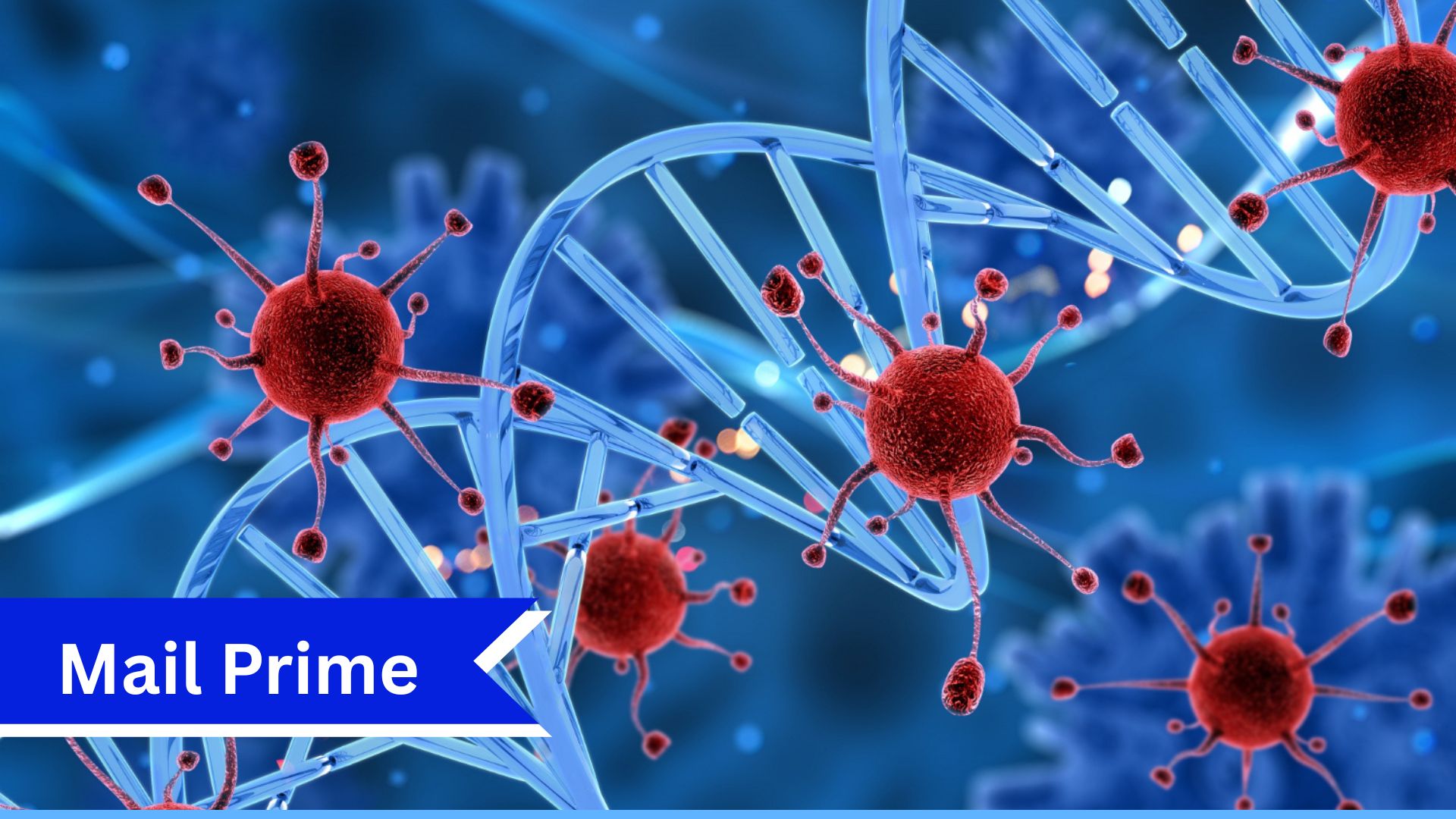
Inside every living cell, a silent code determines how life grows, repairs, adapts and evolves. That code is written using Nukleotidy — tiny molecular units that make life possible.
Although rarely discussed outside laboratories or biology classrooms, nukleotidy sit at the core of modern science. They shape our DNA, power our cells, support immune responses and drive groundbreaking medical innovation.
From genetics to energy production, these microscopic molecules are anything but small in importance.
What Are Nukleotidy?
Nukleotidy (nucleotides) are organic molecules that act as the fundamental building blocks of genetic material. They form the structure of:
-
DNA (deoxyribonucleic acid)
-
RNA (ribonucleic acid)
Each nucleotide contains three essential components:
-
A nitrogenous base
-
A five-carbon sugar
-
A phosphate group
When linked together in long chains, nukleotidy create the genetic sequences that instruct cells how to function.
The Four DNA Bases
In DNA, there are four key nitrogenous bases:
-
Adenine (A)
-
Thymine (T)
-
Cytosine (C)
-
Guanine (G)
These bases pair in precise combinations — A with T, and C with G — forming the famous double helix structure described by James Watson and Francis Crick.
This pairing system ensures genetic information can be accurately copied and passed on.
Nukleotidy and DNA: The Blueprint of Life
DNA is essentially a long, organised chain of nukleotidy. The specific order of these molecules determines:
-
Physical traits
-
Cellular repair processes
-
Enzyme production
-
Hormone regulation
-
Disease susceptibility
Every human cell contains billions of nucleotide pairs arranged in a unique sequence. This sequence acts as an instruction manual, guiding growth, development and daily cellular activity.
Without nukleotidy, there would be no genetic inheritance — and no biological identity.
RNA and Protein Synthesis
While DNA stores genetic information, RNA uses it.
RNA is also built from nukleotidy, but with one key difference: it uses uracil (U) instead of thymine (T). RNA plays a central role in protein production through three primary forms:
1. Messenger RNA (mRNA)
Carries instructions from DNA to the cell’s protein-making machinery.
2. Transfer RNA (tRNA)
Brings amino acids to the ribosome.
3. Ribosomal RNA (rRNA)
Forms the structural core of ribosomes.
Together, these RNA types translate nucleotide sequences into proteins — the molecules responsible for:
-
Muscle structure
-
Immune defence
-
Hormone activity
-
Tissue repair
Without nukleotidy forming RNA, protein synthesis would simply not occur.
Nukleotidy and Energy: The Role of ATP
Beyond genetics, nukleotidy play a vital role in energy production.
ATP (adenosine triphosphate) is one of the most important nucleotides in the body. Often described as the “energy currency” of cells, ATP stores and releases energy by breaking phosphate bonds.
Every time you:
-
Walk
-
Think
-
Breathe
-
Digest food
ATP is being used.
Why ATP Matters
ATP supports essential biological processes such as:
-
Muscle contraction
-
Nerve impulse transmission
-
Active transport across membranes
-
Chemical synthesis reactions
When ATP releases energy, it becomes ADP (adenosine diphosphate). The body then recycles it back into ATP — a continuous energy loop powered by nucleotide chemistry.
Without nukleotidy, cellular energy systems would collapse.
Nukleotidy in Modern Medicine and Biotechnology
The importance of nukleotidy extends far beyond basic biology. They are central to:
-
Genetic testing
-
Cancer research
-
Gene therapy
-
Vaccine development
-
Personalised medicine
mRNA Technology
Recent advances in mRNA-based treatments have demonstrated how synthetic nucleotides can instruct cells to produce specific proteins. This approach has opened new doors in:
-
Immunology
-
Infectious disease control
-
Autoimmune therapy
-
Oncology research
Because nukleotidy carry genetic instructions, scientists can design targeted therapies at the molecular level.
Dietary Nukleotidy: Do We Need Them?
The human body can synthesise nucleotides naturally. However, dietary nucleotides — found in certain foods — may support health in specific circumstances.
Foods Rich in Nucleotides
-
Organ meats
-
Fish
-
Legumes
-
Mushrooms
-
Yeast extracts
In infancy, growth phases or recovery periods, nucleotides may play a supportive role in:
-
Immune system development
-
Gut health
-
Cellular repair
Research continues to explore whether supplemental nucleotides offer measurable benefits for adults.
DNA Damage, Repair and Ageing
Nukleotidy are also crucial in DNA repair mechanisms.
Every day, DNA sustains damage from:
-
UV radiation
-
Environmental toxins
-
Metabolic by-products
-
Natural ageing processes
Specialised repair enzymes use nucleotides to fix these errors and maintain genomics stability.
When repair mechanisms weaken, mutations accumulate — increasing the risk of disease. Understanding how nukleotidy function in repair pathways is central to research on ageing and cancer prevention.
Why Nukleotidy Matter More Than Ever
In an era defined by genetic breakthroughs and biotechnology innovation, nukleotidy are at the centre of scientific progress.
They:
-
Store genetic information
-
Transfer biological instructions
-
Power cellular energy systems
-
Enable modern gene-based therapies
From the double helix to cutting-edge mRNA technology, these molecules shape both our biological past and our medical future.
FAQs About Nukleotidy
1. What are nukleotidy in simple terms?
Nukleotidy are small molecules that form DNA and RNA. They store genetic information and help cells function properly.
2. Are nukleotidy the same as nucleic acids?
No. Nukleotidy are the building blocks. When many nucleotides join together, they form nucleic acids like DNA and RNA.
3. What is the role of nukleotidy in energy production?
Certain nucleotides, such as ATP, store and release energy used for muscle movement, nerve signalling and cellular processes.
4. Can you get nukleotidy from food?
Yes. Foods such as fish, meat, legumes and mushrooms contain dietary nucleotides. However, the body can also produce them naturally.
5. Why are nukleotidy important in medicine?
Nukleotidy are essential in genetic testing, vaccine development, gene therapy and modern biotechnology because they carry biological instructions.
Conclusion
Nukleotidy may be microscopic, but their influence is vast. They define our genetic code, fuel our cells, repair our DNA and power modern scientific innovation.
As biotechnology evolves and genetic medicine advances, understanding nucleotides becomes increasingly relevant — not just for scientists, but for anyone interested in health, longevity and the future of medicine.