
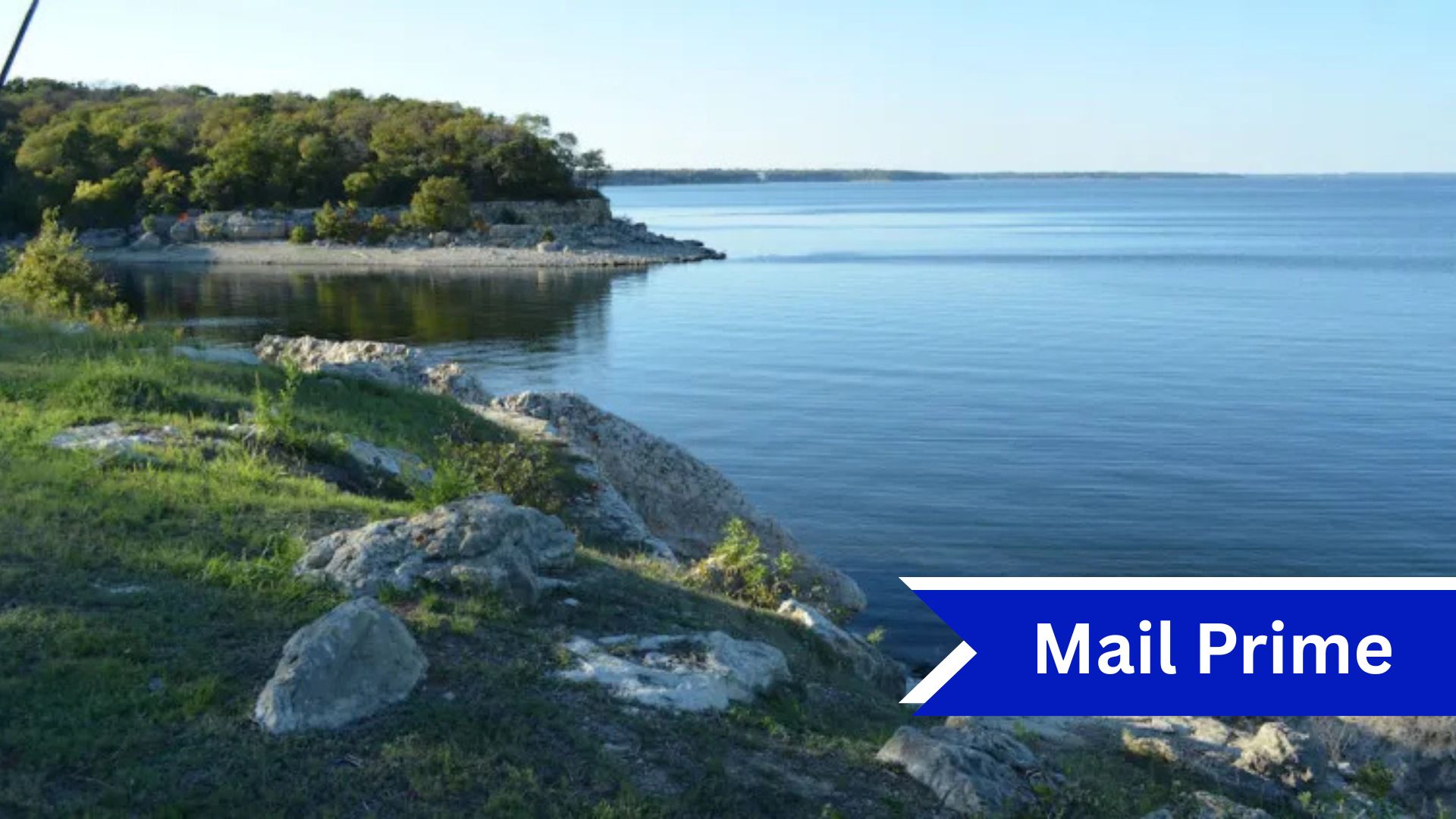
It’s a small detail that sparks surprising debate: lake texoma should be capitalized — but is that actually correct? If you’ve paused mid-sentence wondering whether to use a capital “L,” you’re asking the right question. Capitalisation rules for geographic names can feel inconsistent, especially when words like lake, river, or mountain sometimes appear lowercase and sometimes uppercase. Let’s settle it clearly and correctly. The short answer: Lake Texoma should be capitalized. The long answer comes down to one essential grammar rule — proper nouns.
Table of Contents
ToggleWhat Is Lake Texoma?
Lake Texoma is a large reservoir formed by the Denison Dam on the Red River. Completed in 1944, it is one of the largest reservoirs in the United States and a major destination for boating, fishing, sailing, and outdoor recreation. However, from a writing perspective, what matters most is this: “Lake Texoma” is the official name of a specific geographic location. That makes it a proper noun — and proper nouns are always capitalized.
The Core Grammar Rule: Proper Nouns vs Common Nouns
To understand why Lake Texoma should be capitalized, we need to distinguish between proper nouns and common nouns. Proper nouns refer to specific, named entities such as Lake Texoma, River Thames, Mount Everest, or Pacific Ocean. These always begin with capital letters. Common nouns, on the other hand, refer to general items like a lake, a river, a mountain, or an ocean. These are not capitalized unless they begin a sentence. The confusion happens because words like “lake” can function as both, depending on context.
Why Both Words in “Lake Texoma” Are Capitalized
In named geographic features, the structure usually includes a generic descriptor (Lake, River, Mount, Bay) followed by a unique identifying name (Texoma, Thames, Victoria). When the descriptor is part of the official title, it becomes part of the proper noun. That’s why the correct forms are Lake Texoma, Lake Superior, and River Nile — and not lake Texoma or Lake texoma. Since “Lake” is officially part of the name, it must be capitalized. This confirms that the statement lake texoma should be capitalized is grammatically accurate.
When “Lake” Is Not Capitalized
There are situations where lowercase is correct, and context determines the rule. When used generically, such as in “We spent the weekend at the lake” or “The lake was quiet at sunrise,” the word “lake” is a common noun and should remain lowercase. Similarly, after introducing the full proper name, you may switch to a generic reference. For example: “Lake Texoma is popular with anglers. The lake attracts thousands of visitors annually.” In the second sentence, “lake” is no longer part of the official title, so lowercase is correct.
Why Writers Get This Wrong
Capitalisation errors usually happen for a few predictable reasons. Some writers over-generalise and assume that words like “lake” are always lowercase. Others capitalise the first mention but forget consistency later in the piece. Online formatting can also create confusion, especially when keywords appear in lowercase for search optimisation. Despite these inconsistencies, grammatically speaking, there is no ambiguity: Lake Texoma should be capitalized when referring to the official place name.
Geographic Naming Conventions Explained
Most official place names follow consistent patterns. In many cases, the descriptor comes first, such as Lake Michigan, Mount Kilimanjaro, or River Severn. In other cases, the descriptor follows, as in the Thames River or the Sahara Desert. In both structures, when the word forms part of the official name, it is capitalized. A simple test can help: if the name would appear capitalized on a map or in an atlas, it should be capitalized in your writing.
Why Capitalisation Matters in Professional Writing
Precision builds credibility. Incorrect capitalisation can weaken academic work, reduce editorial quality, and create inconsistency in professional communication. It can also affect search visibility, since proper nouns are recognised distinctly by search engines. Using the correct form — “Lake Texoma” — ensures clarity, authority, and professionalism in both print and digital content.
Common Capitalisation Mistakes to Avoid
Writers often make small but noticeable mistakes such as writing “lake Texoma is a reservoir” or “We visited Lake texoma.” Another frequent error is capitalising generic references, such as “The Lake was busy that weekend.” The correct forms are “Lake Texoma is a reservoir,” “We visited Lake Texoma,” and “The lake was busy that weekend.” The rule is simple: capitalise the official name, lowercase the generic reference.
FAQs
1. Should Lake Texoma always be capitalized?
Yes. When referring to the official place name, Lake Texoma should be capitalized because it is a proper noun.
2. Why is “Lake” capitalized in Lake Texoma?
Because it forms part of the official geographic name. When the descriptor is included in the formal title, it becomes part of the proper noun.
3. Should “lake” be lowercase when used alone?
Yes. If used generically — for example, “we went to the lake” — it should remain lowercase.
4. Does this rule apply to all lakes?
Yes. Any officially named lake follows the same rule, including Lake Victoria, Lake Tahoe, and Lake Texoma.
5. Is writing “lake texoma” ever correct?
Only in informal contexts such as search queries or keyword lists. In formal writing, Lake Texoma should be capitalized.
Final Word: Precision Makes the Difference
Grammar does not need to be complicated, but it does require consistency. “Lake Texoma” is the official name of a specific place. Official place names are proper nouns, and proper nouns are always capitalized. Generic references remain lowercase. So whenever you’re writing formally, remember: Lake Texoma should be capitalized. Small details like this elevate your writing, reinforce professionalism, and ensure your message is clear and correct every time.