
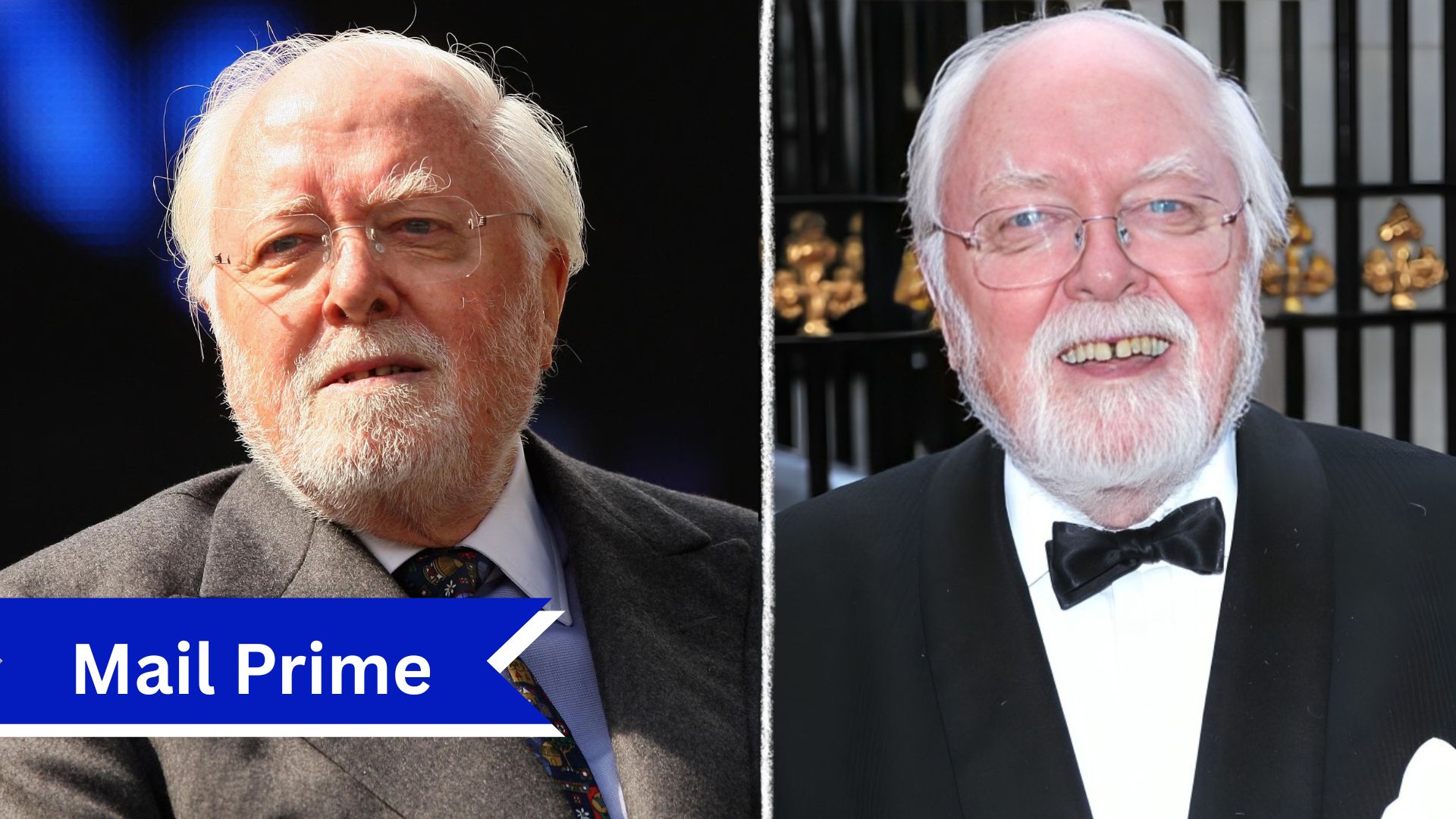
Some surnames come with history built into every syllable. Attenborough is one of them. While global audiences instantly recognise Sir David Attenborough’s voice or remember Richard Attenborough’s award-winning films, another member of the family has quietly shaped the performing arts in his own right: Robert Attenborough.
Unlike the cinematic and broadcasting spotlight that defined his relatives, Robert Attenborough chose the stage — a world of rehearsal rooms, script analysis, ensemble work, and artistic leadership. His career reflects discipline, creative intelligence, and a deep commitment to theatre as a living, collaborative art form.
Table of Contents
ToggleGrowing Up Attenborough
Robert Attenborough is the son of Richard Attenborough and the nephew of David Attenborough. That alone places him within one of the most respected creative families of the modern era.
His father’s career ranged from acting in landmark films to directing the Oscar-winning epic Gandhi. His uncle reshaped natural history broadcasting through decades of documentary work. Creativity, storytelling and cultural influence were not distant concepts in Robert Attenborough’s upbringing — they were part of daily life.
Yet rather than stepping directly into film or on-screen performance, he gravitated toward theatre direction, a path that values process as much as outcome.
Choosing Theatre Over Cinema
For many in his position, film might have seemed the obvious route. Instead, Robert Attenborough immersed himself in stagecraft.
Theatre direction demands:
-
Close textual analysis
-
Deep collaboration with actors
-
Spatial and visual imagination
-
Leadership under tight rehearsal timelines
It is an art form that leaves no room for shortcuts. Performances unfold live. Every night is different. Every audience reacts in its own way.
This environment suited Robert Attenborough’s temperament. His work has consistently prioritised performance integrity over spectacle.
Artistic Leadership at Leicester Haymarket Theatre
One of the defining chapters of his career was his role as Artistic Director of the Leicester Haymarket Theatre.
Taking on leadership at a major producing theatre is no small task. It involves:
-
Curating seasons that balance classics and new writing
-
Managing budgets and commercial realities
-
Supporting emerging actors and directors
-
Maintaining audience trust
During his tenure, Robert Attenborough focused on strengthening the theatre’s identity while ensuring it remained artistically ambitious. His programming reflected both respect for established playwrights and openness to contemporary voices.
The position demanded vision and resilience — two qualities essential in theatre management.
Work with the Almeida Theatre
Robert Attenborough also worked with the Almeida Theatre, one of the most respected producing houses in the country.
The Almeida is known for intimate, high-impact productions that often reinterpret classic texts through modern lenses. Working in such an environment requires precision and intellectual clarity. Directors are expected to draw powerful performances from actors while keeping staging focused and purposeful.
Robert Attenborough’s involvement further demonstrated his standing within serious theatre circles. His reputation rests not on fame, but on trust among performers and producers.
Directorial Style: Precision Over Flash
Observers of his work frequently note that Robert Attenborough’s productions are grounded and performance-driven.
Key characteristics of his directing approach include:
-
Emphasis on actor psychology
-
Faithfulness to the emotional truth of the script
-
Controlled, thoughtful staging
-
Ensemble cohesion
Rather than relying on elaborate technical effects, his productions often allow the text and performances to take centre stage.
In theatre, restraint can be more powerful than spectacle. His work reflects an understanding that audiences connect most deeply with authentic human emotion.
Living with a Celebrated Surname
Carrying the Attenborough name inevitably brings comparison. Richard Attenborough’s cinematic achievements and David Attenborough’s broadcasting legacy are monumental.
But Robert Attenborough’s career illustrates an important truth: legacy does not dictate identical paths.
Where his father worked on sweeping historical narratives for global audiences, Robert focused on the intimacy of live performance. Where his uncle speaks to millions through documentaries, Robert engages audiences face-to-face in theatre spaces.
Each discipline demands storytelling skill. Each requires leadership. The scale may differ, but the creative commitment remains consistent.
Sustaining Theatre in a Changing Cultural Landscape
Theatre has faced increasing pressure in the modern era. Digital entertainment, streaming platforms, and evolving audience habits have transformed the cultural economy.
In this context, leaders like Robert Attenborough play a crucial role.
Artistic directors must:
-
Defend the value of live performance
-
Encourage younger audiences
-
Adapt programming without diluting artistic standards
-
Support creative risk-taking
Theatres are more than venues; they are cultural anchors. Through leadership positions and directing work, Robert Attenborough contributed to maintaining that anchor.
The Attenborough Ethos
Across generations, the Attenborough family shares certain defining qualities:
-
Intellectual curiosity
-
Respect for craft
-
Cultural responsibility
-
Storytelling with purpose
While the mediums differ — documentary, film, theatre — the underlying ethos remains remarkably consistent.
Robert Attenborough embodies this ethos through steady, behind-the-scenes influence rather than public celebrity.
Why Interest in Robert Attenborough Is Growing
Search interest in Robert Attenborough has increased as audiences explore the broader Attenborough family story.
Several factors contribute to this curiosity:
-
Continued admiration for David Attenborough
-
Retrospectives on Richard Attenborough’s film career
-
Growing interest in multi-generational creative families
-
Theatre scholarship and institutional research
As people look deeper into the family’s cultural impact, Robert Attenborough naturally becomes part of the conversation.
Career Defined by Craft
In an era often driven by visibility and personal branding, Robert Attenborough represents a different model of artistic success.
His achievements are rooted in:
-
Professional credibility
-
Long-term institutional contribution
-
Respect within theatre communities
-
Dedication to collaborative storytelling
This quieter form of influence can be just as powerful as public fame.
FAQs About Robert Attenborough
Who is Robert Attenborough?
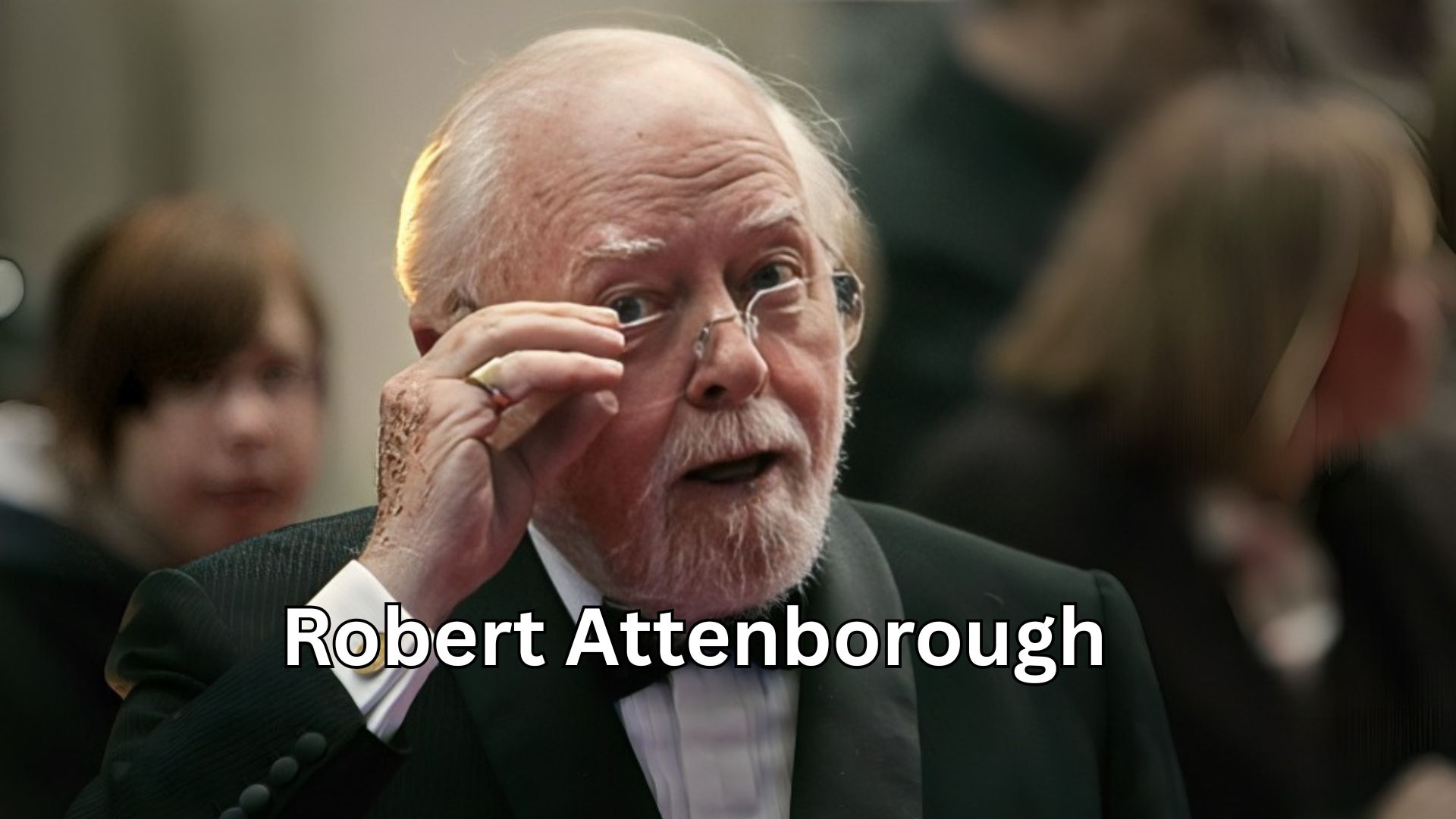
Robert Attenborough is a theatre director and arts leader. He is the son of Richard Attenborough and the nephew of David Attenborough.
What is Robert Attenborough known for?
He is known for his work in theatre direction and for serving as Artistic Director at the Leicester Haymarket Theatre, as well as working with the Almeida Theatre.
Is Robert Attenborough involved in film?
Unlike his father, Robert Attenborough focused primarily on theatre rather than film directing or acting.
How is Robert Attenborough related to David Attenborough?
David Attenborough is his uncle. Robert’s father was Richard Attenborough.
Why is Robert Attenborough significant?
His significance lies in sustaining and leading theatre institutions, directing high-quality stage productions, and continuing a family tradition of cultural contribution.
Conclusion
The story of Robert Attenborough is not one of blockbuster premieres or global television broadcasts. It is the story of rehearsal rooms, artistic choices, and the steady leadership required to sustain theatre as a vital cultural force.
He may not dominate headlines in the way his father and uncle have, but his contribution to the performing arts is meaningful and enduring. In a family defined by storytelling excellence, Robert Attenborough stands as proof that legacy is not about imitation — it is about commitment to craft in whatever form it takes.