
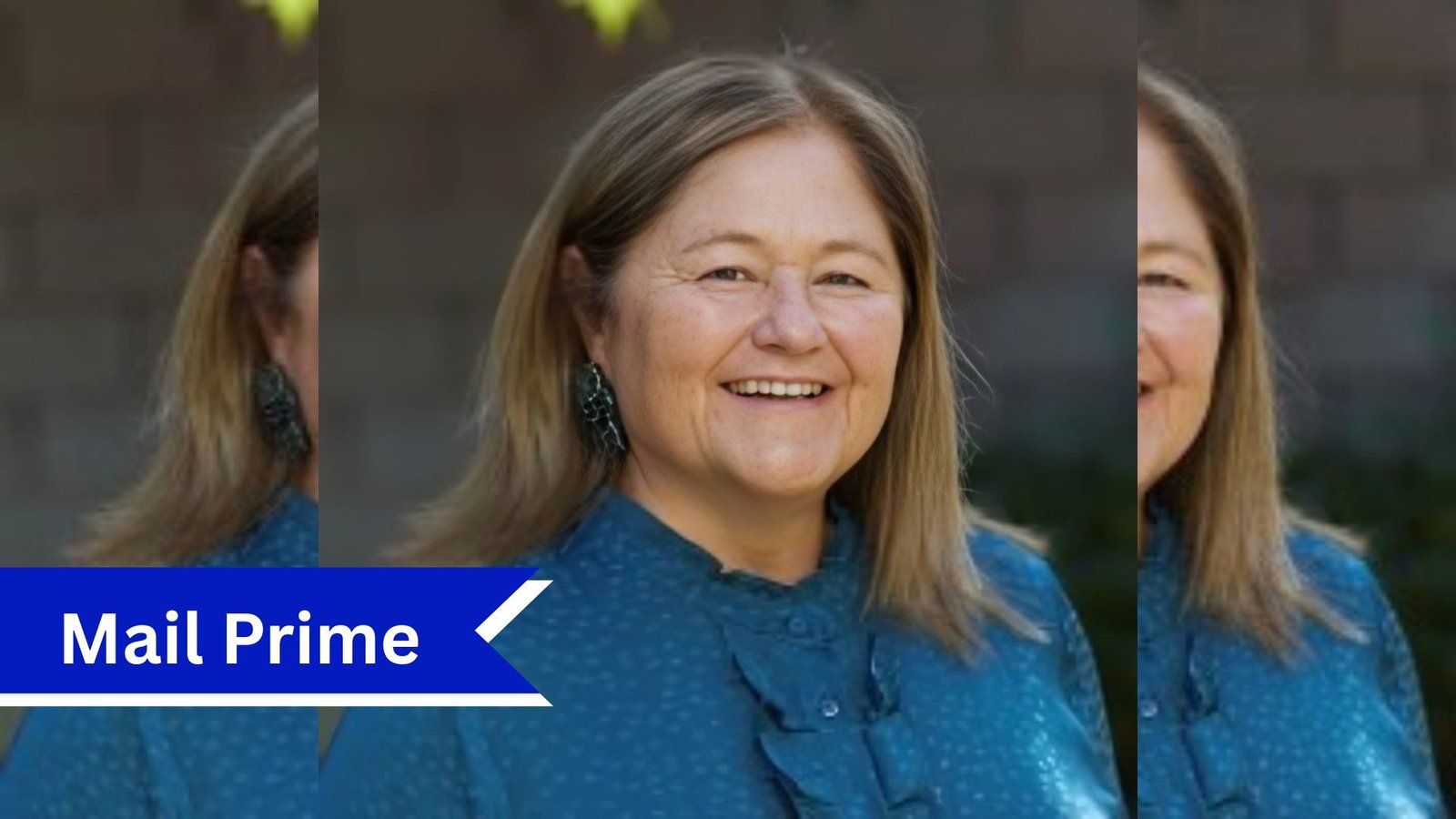
In a world filled with fast visuals and constant online noise, some artists stand out by doing the opposite—slowing everything down. Alana Rice is one of those rare creatives whose work draws attention not through spectacle, but through stillness, texture, and emotion.
Her paintings are rooted in natural landscapes and carry a calm, reflective quality that feels almost timeless. As interest in her work grows, so does curiosity about the artist behind these expressive scenes.
Who Is Alana Rice?
Background and Creative Journey
Alana Rice is a contemporary artist based on the west coast of Canada. Her life and work are closely connected to the landscapes of British Columbia, particularly coastal and forested regions.
She grew up in Kamloops and later lived in Prince Rupert, environments that deeply influenced her artistic direction. These places—defined by water, forest, and open skies—form the emotional foundation of her work.
Her academic background includes studies in fine art, history, and education. Alongside her art practice, she has also worked in teaching and other creative roles, giving her a grounded, real-world perspective that shapes her artistic voice.
Artistic Style and Technique
Expressive Landscape Painting
Alana Rice is best known for her expressive approach to landscape art. Rather than aiming for photographic realism, she focuses on mood, memory, and movement.
Her work typically features:
- Layered oil paint with visible texture
- Loose, expressive brushwork
- Soft watercolour compositions
- Ink sketches with minimal detail
This combination creates paintings that feel atmospheric and emotional rather than strictly representational.
Themes in Her Work
Nature as Emotional Memory
A central theme in Alana Rice’s work is the idea of nature as memory. Her paintings often feel like recollections of places rather than exact depictions.
Forests, coastlines, rivers, and rural settings appear frequently, but they are filtered through emotion and personal experience.
Stillness and Atmosphere
Her work is known for its quiet tone. Instead of dramatic scenes, she often focuses on subtle moments such as:
- Calm water surfaces
- Empty shorelines
- Soft, fading light
- Quiet natural forms
This emphasis on stillness gives her art a meditative quality.
Connection to Place
Many of her paintings reflect the unique landscapes of British Columbia’s coast. Elements such as fishing boats, docks, and small coastal communities appear alongside natural scenery, blending human presence with environment in a subtle way.
Life Beyond Art
A Balanced Creative Life
Alana Rice does not work exclusively as a full-time studio artist. Her creative practice exists alongside teaching and other professional work.
This balance influences her art in important ways. It keeps her connected to everyday life, community interaction, and hands-on experience rather than isolating creativity from reality.
That grounding is reflected in the honesty and simplicity of her paintings.
Why Her Work Resonates
A Different Kind of Attention
The growing interest in Alana Rice’s work is not driven by trends or viral moments. Instead, it comes from the emotional response her paintings create.
Viewers are often drawn to:
- The calm atmosphere in her work
- The tactile, textured painting style
- The familiar feeling of natural landscapes
- The emotional simplicity of her compositions
In a visually overwhelming world, her work offers something increasingly rare: quietness.
FAQs
Who is Alana Rice?
Alana Rice is a contemporary landscape artist inspired by the natural environments of coastal British Columbia.
What kind of art does she create?
She creates expressive paintings using oil, watercolour, and ink, often focusing on landscapes and natural scenery.
What inspires her work?
Her inspiration comes from nature, especially forests, coastlines, rivers, and rural environments.
Is her art realistic?
Not strictly. Her work is expressive and atmospheric rather than highly detailed realism.
Why is her work gaining attention?
Because of its calming themes, emotional depth, and strong connection to natural landscapes.
Conclusion
Alana Rice’s art stands out not because it demands attention, but because it quietly earns it. Her landscapes are not just visual scenes—they are emotional spaces shaped by memory, place, and experience.