

Workplace culture is changing rapidly. As organisations adapt to remote collaboration, digital transformation, and evolving employee expectations, traditional approaches to productivity are being challenged. Businesses are increasingly searching for innovative ways to keep teams motivated, engaged, and connected.
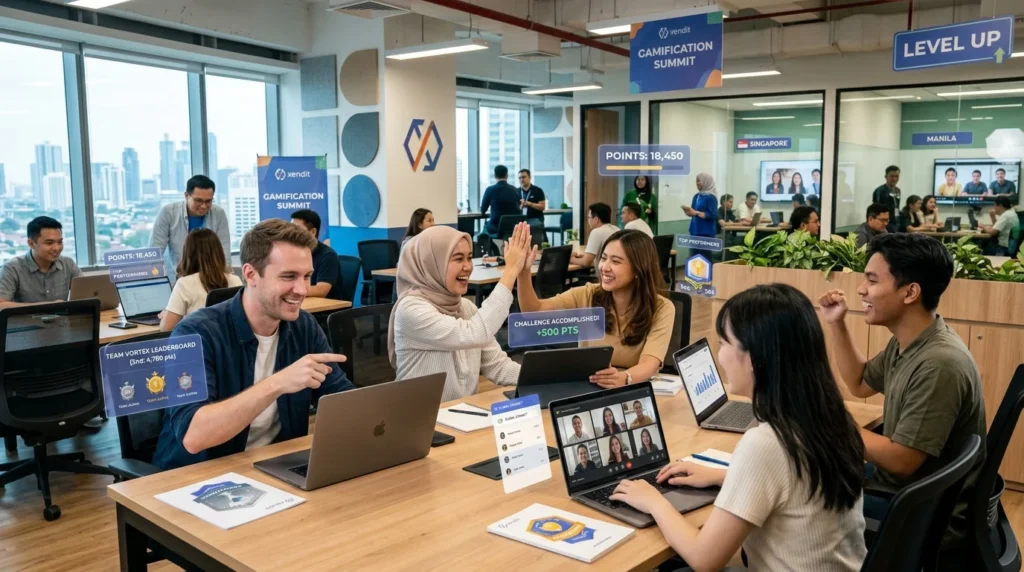
One topic gaining attention in this space is the xendit work gamificationsummit, a professional event and discussion platform centred on workplace gamification, employee engagement, and performance-driven innovation. The summit explores how game mechanics can be integrated into business environments to improve productivity, strengthen collaboration, and create more rewarding employee experiences.
From fintech companies to global enterprises, organisations are beginning to view gamification as more than a trend. It is increasingly being recognised as a strategic tool for workforce development and long-term business growth.
What Is the Xendit Work GamificationSummit?
The xendit work gamificationsummit focuses on the application of gamification principles in professional environments. Industry leaders, technology experts, HR professionals, and business innovators gather to discuss practical strategies that make work more engaging and goal-oriented.
The summit highlights how businesses can use game-inspired elements such as:
- Points and scoring systems
- Achievement badges
- Performance leaderboards
- Team challenges
- Reward programmes
- Interactive learning experiences
Rather than simply adding entertainment to work, these systems are designed to encourage participation, improve performance, and create measurable business outcomes.
Why Workplace Gamification Is Growing
Employee engagement remains one of the biggest challenges facing modern organisations.
Research and industry discussions presented around gamification events consistently suggest that employees respond positively when work includes visible progress tracking, recognition systems, and clear achievement milestones.
The Psychology Behind Gamification
Gamification works because it taps into fundamental human motivations.
Employees are naturally driven by:
- Achievement
- Recognition
- Competition
- Progress
- Rewards
- Social interaction
When daily tasks include these elements, employees often feel more invested in their work and more motivated to contribute.
Turning Routine Tasks Into Meaningful Challenges
One of the central ideas discussed at the summit is transforming routine activities into goal-based experiences.
For example, organisations may reward employees for:
- Completing training modules
- Meeting project deadlines
- Solving customer issues
- Contributing innovative ideas
- Participating in team initiatives
This approach creates immediate feedback loops that encourage consistent engagement.

Xendit’s Role in Workplace Gamification Discussions
Xendit is frequently referenced in discussions about gamification because of its focus on digital innovation and user engagement within the fintech industry. Several summit sessions examine how gamification concepts can be applied to both employee experiences and customer-facing systems.
Gamified Learning and Development
Employee training is often one of the first areas where organisations implement gamification.
Examples include:
Skill Progression Systems
Employees unlock new milestones as they complete learning objectives.
Interactive Training Modules
Training becomes more engaging through quizzes, challenges, and achievement tracking.
Digital Certifications
Badges and recognition systems reward employees for acquiring new skills.
These methods can improve participation rates while helping organisations develop stronger internal talent pipelines.
Building Stronger Workplace Communities
A common misconception is that gamification only focuses on competition.
In reality, many successful workplace programmes encourage collaboration through:
- Team-based challenges
- Shared goals
- Group rewards
- Cross-functional competitions
- Collective achievement systems
This can strengthen communication and improve workplace culture across departments.
Key Themes Emerging From the Summit
Several major trends continue to dominate conversations around the xendit work gamificationsummit.
Hybrid and Remote Work Engagement
As distributed workforces become more common, organisations are looking for new ways to maintain connection and motivation.
Gamification helps create shared experiences that keep employees engaged regardless of location. Digital leaderboards, collaborative challenges, and virtual recognition systems are becoming increasingly popular.
Data-Driven Performance Insights
Modern gamification platforms often provide analytics that help organisations track:
- Training progress
- Employee participation
- Productivity metrics
- Team engagement
- Goal completion rates
This data allows businesses to identify opportunities for improvement and optimise employee experiences.
Personalisation and AI Integration
Experts increasingly believe that the future of gamification lies in personalised experiences.
Emerging technologies are enabling:
- Custom achievement paths
- AI-powered recommendations
- Personalised rewards
- Behaviour-based engagement systems
This helps organisations create experiences tailored to individual employee motivations.
Benefits of Workplace Gamification
Businesses implementing gamification strategies often report advantages across multiple areas.
Improved Employee Engagement
Recognition and achievement systems encourage employees to participate more actively in workplace initiatives.
Increased Productivity
Clear goals and visible progress tracking help employees remain focused on key objectives.
Better Learning Outcomes
Interactive learning experiences can increase training completion rates and improve knowledge retention.
Stronger Employee Retention
Engaged employees are generally more likely to remain with organisations that recognise and reward their contributions.
Enhanced Innovation
Reward systems that recognise creativity encourage employees to contribute new ideas and solutions.
Challenges Organisations Must Address
Despite its advantages, workplace gamification is not without risks.
Successful implementation requires careful planning to avoid:
- Excessive competition
- Unfair reward structures
- Employee burnout
- Overreliance on metrics
- Lack of inclusivity
Experts frequently stress that gamification should support employee wellbeing rather than create unnecessary pressure.
FAQs
What is the Xendit Work GamificationSummit?
The xendit work gamificationsummit is a professional event and discussion platform focused on workplace gamification, employee engagement strategies, and organisational performance improvement.
How does workplace gamification improve employee engagement?
Gamification improves engagement through rewards, achievement tracking, recognition systems, and interactive challenges that make work more motivating.
What are examples of workplace gamification?
Examples include points systems, leaderboards, badges, learning milestones, team competitions, and digital reward programmes.
Is gamification effective for remote teams?
Yes. Many organisations use gamified platforms to maintain communication, accountability, and engagement among remote employees.
What is the future of workplace gamification?
Future developments are expected to include AI-driven personalisation, advanced analytics, immersive learning experiences, and more customised employee engagement systems.
Conclusion
The xendit work gamificationsummit reflects a growing shift in how organisations approach employee engagement, learning, and workplace performance. By combining behavioural psychology, technology, and innovative management strategies, gamification is helping businesses create more dynamic and rewarding work environments.