
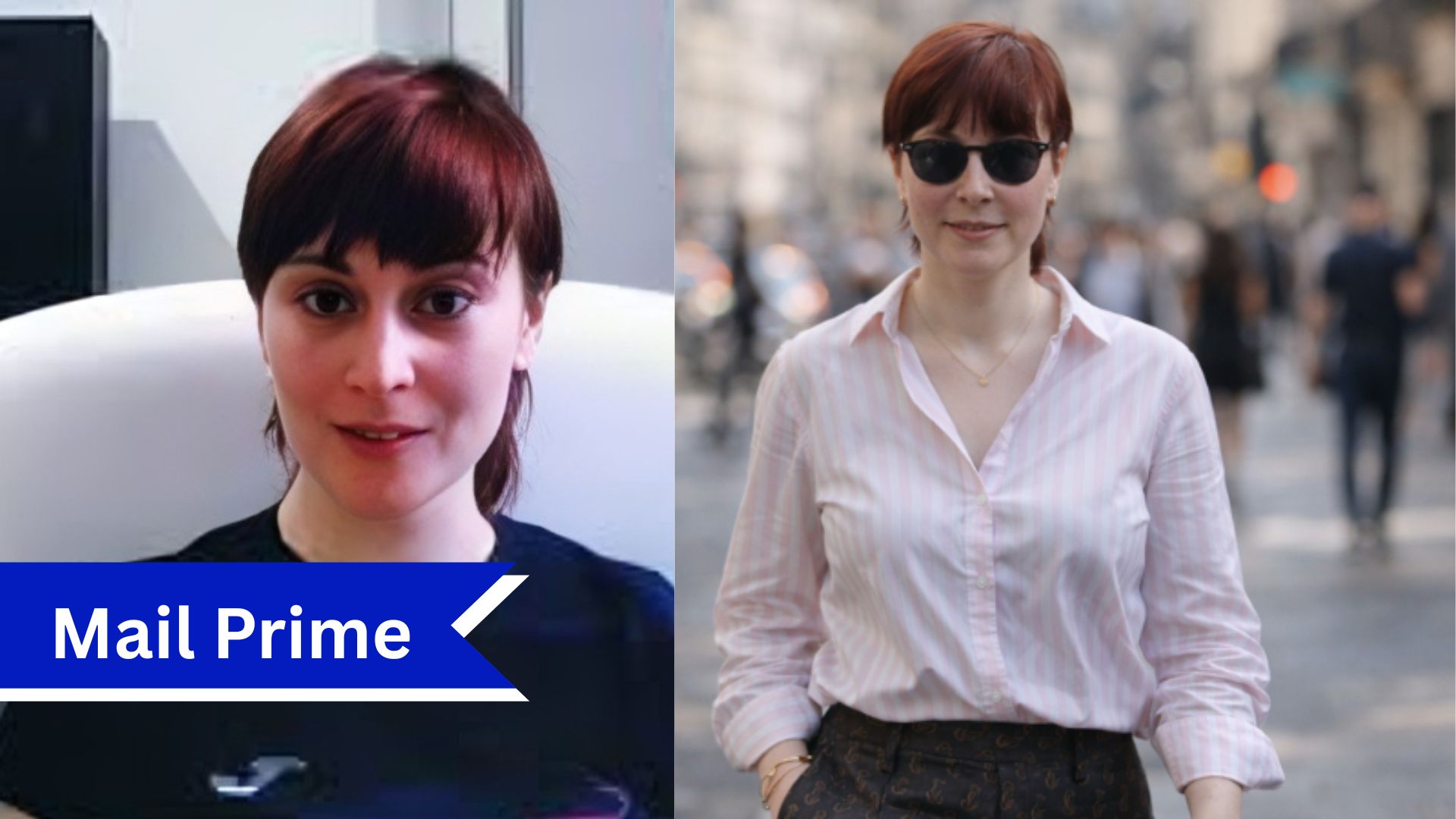
In the middle of a serious televised discussion about unemployment, one brief background detail turned yvette amos into an overnight internet sensation.
It wasn’t planned. It wasn’t promotional. And it certainly wasn’t scripted.
Yet within hours of her live video interview, screenshots were circulating across social media, her name climbing search trends, and viewers everywhere replaying the clip. What began as a thoughtful conversation about pandemic-era job struggles became a defining moment of remote-broadcast culture.
But beyond the viral image lies a real person with a real story — one that deserves more than a punchline.
Who Is Yvette Amos?
Yvette Amos is a Cardiff-based woman who appeared on a televised news segment in January 2021. She was invited to speak about unemployment and the economic difficulties many people were facing during COVID-19 restrictions.
At the time, like millions of others, she was navigating a disrupted job market. Reports indicate she had experience in hospitality work and academic research, balancing practical employment with intellectual interests. She was not a media personality, influencer, or public figure.
She was simply someone sharing her experience.
And that authenticity is part of why the moment resonated so widely.
The Interview That Changed Everything
The broadcast took place via video link — a format that had quickly become standard. Living rooms and spare bedrooms were suddenly doubling as television studios.
During the interview, viewers noticed something on the bookshelf behind her: an object that appeared to be an adult item placed among books and everyday household belongings.
The clip spread rapidly.
Within hours:
- Screenshots flooded Twitter and Instagram
- Her name became a trending search term
- Memes began circulating
- News outlets picked up the story
Ironically, the serious topic she was discussing was quickly overshadowed.
Why Did the Yvette Amos Clip Go Viral?
Viral moments rarely happen in isolation. The timing and cultural climate played a major role.
1. Lockdown “Zoom Culture”
By early 2021, people were hyper-aware of video-call backgrounds. Remote work and virtual interviews had blurred the line between private and public spaces.
Viewers had become accustomed to:
- Children wandering into live broadcasts
- Pets interrupting serious discussions
- Unmade beds visible behind commentators
- Bookshelves being scrutinised for political clues
The Yvette Amos moment landed right at the peak of that phenomenon.
2. Relatable Imperfection
There was something deeply human about it.
Many people watching had experienced their own awkward video-call mishaps — whether forgetting laundry in the background or failing to notice something slightly out of place.
Instead of outrage, much of the reaction leaned toward humour and relatability.
3. Social Media Acceleration
Once screenshots began circulating, the algorithm did the rest.
Modern virality works like this:
- A moment is clipped
- It’s shared with a humorous caption
- Influencers amplify it
- News sites report on the online reaction
- Search traffic spikes
The name yvette amos became inseparable from that process.
Public Reaction: Mockery or Moment of Solidarity?
While some responses were playful, others raised important questions.
Many viewers pointed out that the focus shifted away from her discussion about unemployment — a topic affecting countless families.
Others noted the gendered nature of viral scrutiny. Would a similar background detail have drawn the same reaction if the interviewee were male?
At the same time, many social media users defended her, arguing that:
- She was in her own home
- The detail harmed no one
- The internet tends to overreact
In the end, the mood was more amused than hostile. The moment became cultural shorthand for “check your Zoom background.”
What Happened to Yvette Amos After the Viral Moment?
Unlike some individuals who leverage viral fame into online careers, Yvette Amos did not capitalise on the attention.
There were no brand deals, no influencer pivot, no high-profile media circuit.
She appears to have returned to private life, allowing the moment to fade naturally.
That decision arguably strengthened public respect for her. The story remained what it was — an accidental viral snapshot rather than a manufactured publicity stunt.
The Bigger Cultural Meaning
It may seem like a trivial episode, but the Yvette Amos interview reflects broader shifts in media and society.
The Collapse of the Studio Barrier
For decades, television maintained a polished separation between public broadcast and private life.
Lockdown changed that overnight.
Homes became visible. Bookshelves became statements. Personal spaces became shared spaces.
Authenticity Over Polish
There was something refreshing about the rawness of remote interviews. They felt unscripted and human.
Yvette Amos unintentionally embodied that shift. Her background wasn’t staged for aesthetic perfection. It was simply real.
The Speed of Modern Attention
Her experience also highlights how quickly focus can drift.
A meaningful conversation about economic hardship became secondary to a visual detail lasting seconds.
That says as much about audience behaviour as it does about media culture.
Lessons From the Yvette Amos Viral Story
For anyone appearing on video — whether for work, interviews, or public speaking — there are practical takeaways:
- Always scan your background before going live
- Remember that viewers notice small details
- Expect screenshots in the age of social media
- Understand that viral fame can be unpredictable
But perhaps the most important lesson is this: the internet may laugh, but it also moves on quickly.
Why the Name Yvette Amos Still Trends
Years later, people still search for yvette amos out of curiosity.
Why?
Because the moment has become symbolic of a unique cultural period. It represents:
- Lockdown life
- Remote broadcasting mishaps
- The unpredictability of internet fame
- The human side of televised news
It’s less about scandal and more about timing.

FAQs About Yvette Amos
Who is yvette amos?
Yvette Amos is a Cardiff-based woman who became an accidental viral figure after appearing on a televised news interview discussing unemployment during the COVID-19 pandemic.
Why did yvette amos go viral?
She went viral because viewers noticed an unexpected personal item visible on a bookshelf behind her during the live video interview, prompting widespread social media sharing.
Was the interview staged?
No. The interview was genuine and focused on unemployment. The viral element was entirely unintentional.
Did yvette amos respond publicly?
There are no widely documented public statements from her addressing the viral attention. She appears to have maintained her privacy.
What is yvette amos doing now?
She has largely remained out of the public spotlight, returning to private life after the brief surge of online attention.
Final Thoughts
The story of yvette amos is ultimately about modern media, not controversy.
It’s about how quickly attention shifts. How private spaces became public during remote broadcasting. And how an ordinary person can become a trending topic overnight without intending to.
Her moment in the spotlight was brief, human, and oddly relatable — a snapshot of a time when the world was living, working, and broadcasting from home.